
Retail Media Radar - October 2026: The backbone under pressure
On-site retail media is still where most of the money goes. Sponsored search and display on retailers’ own websites and apps remain the backbone of the channel, and new research suggests networks expect that growth to continue. The question is whether brands believe the numbers.
This month’s stories show an industry trying to scale its most established formats while the pressure on proof, incrementality and control gets sharper. eMarketer research presented at Groceryshop shows networks expecting about 23% revenue growth, but with limited confidence that the revenue is truly incremental. Amazon is giving brands paid ways to influence how its AI describes products on its own site, while keeping the final wording in Amazon’s hands. Tesco is rebuilding its on-site media around self-serve buying, shoppable formats and incrementality. And at Ahold Delhaize USA, AI agents are starting to shape the work behind the ad business: keyword suggestions, campaign planning and media operations.
For brands, the questions are whether this growth is new money or reallocated budget, how much of it they can measure, and how much control they still have over what shoppers see on the retailer’s own site.
Retail media networks expect 23% growth, but few are confident they'll get it
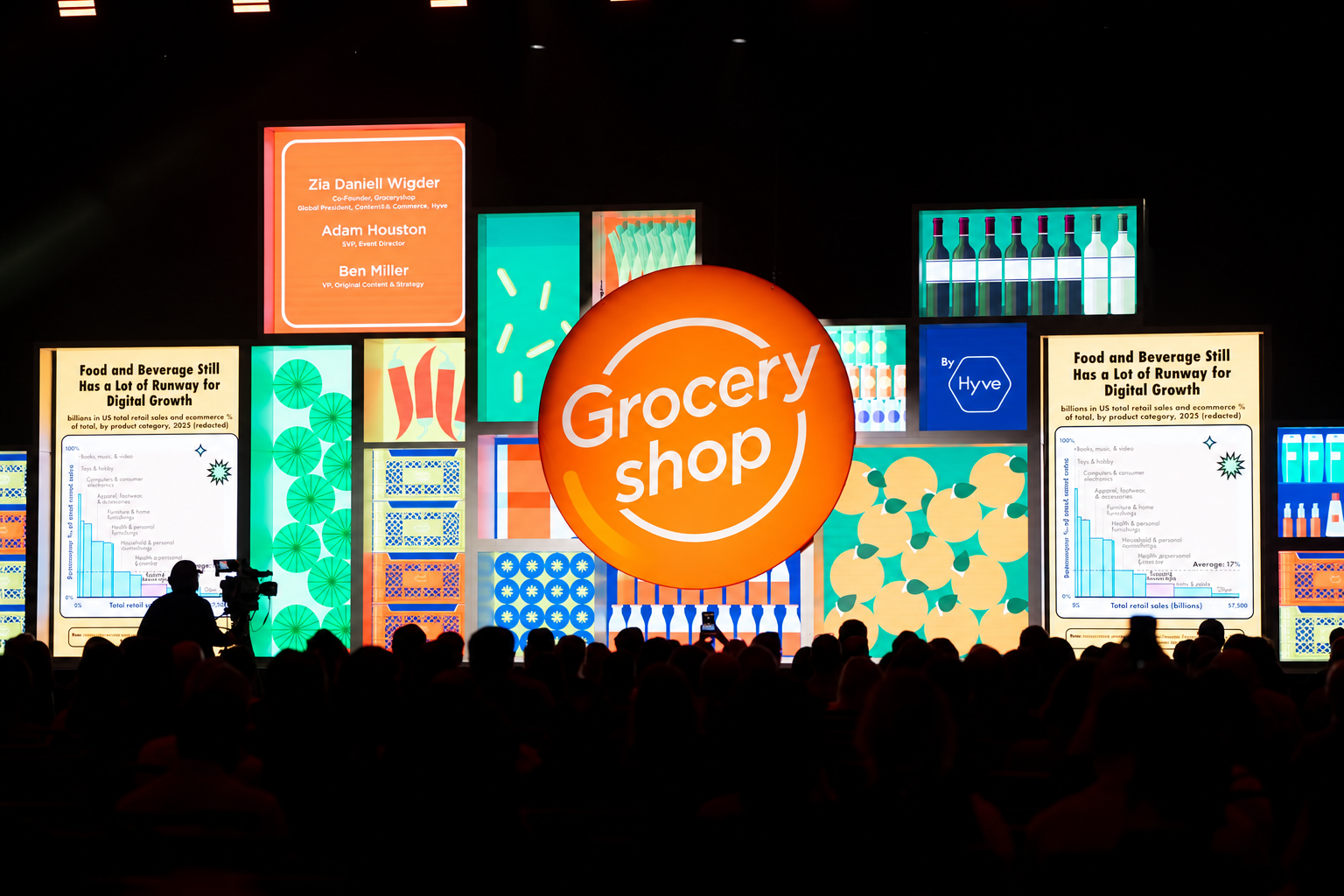
eMarketer research, presented by principal analyst Sarah Marzano at Groceryshop 2026 and reported by Supermarket News, finds retail media networks expecting average revenue growth of about 23% this year. Fewer than one in five expect to exceed their plans, and nearly a third expect to fall short. Sponsored search and onsite display are the formats expected to drive near-term revenue, and Marzano's summary was blunt: “Onsite ads remain the backbone of retail media ad spending.”
Why it matters: the money is growing faster than the proof. If networks can't show their revenue is incremental, brands will keep asking whether they are paying for new sales or just moving trade budget onto a new line.
The confidence numbers are weaker than the growth numbers. Only 31% of network leaders are confident their revenue is incremental to existing supplier funding, and only 31% are confident their network is competitive with peers, down 14 percentage points on a year earlier. Just 28% are confident they can determine their total addressable market.
Brands share the doubt. Kantar research cited at the event, as reported by The Shelby Report, found only 22% of brands are confident they can measure return on investment from retail media.
Brands also want more than measurement. At the same event, Procter & Gamble's Jacques Hagopian asked retailers for 12 to 18 month plans rather than short-term deals, and made a practical point about performance: “The best marketing in the world cannot sell a product that's not there.”
The reliance on familiar formats cuts both ways. Sponsored search and display are proven, but they sit at the point of purchase and compete for the same shopper attention. As growth gets harder, networks that can only sell into existing demand will hit the ceiling quickly.
On-site is still the backbone of retail media, but confidence in the numbers is falling while growth targets rise. For UK networks and the brands that fund them, the practical question is who can prove incrementality first. Measurement credibility is becoming a competitive advantage in its own right.
Find out more here, and read the wider Groceryshop coverage here.
Tesco rebuilds its website and app for self-serve, shoppable media
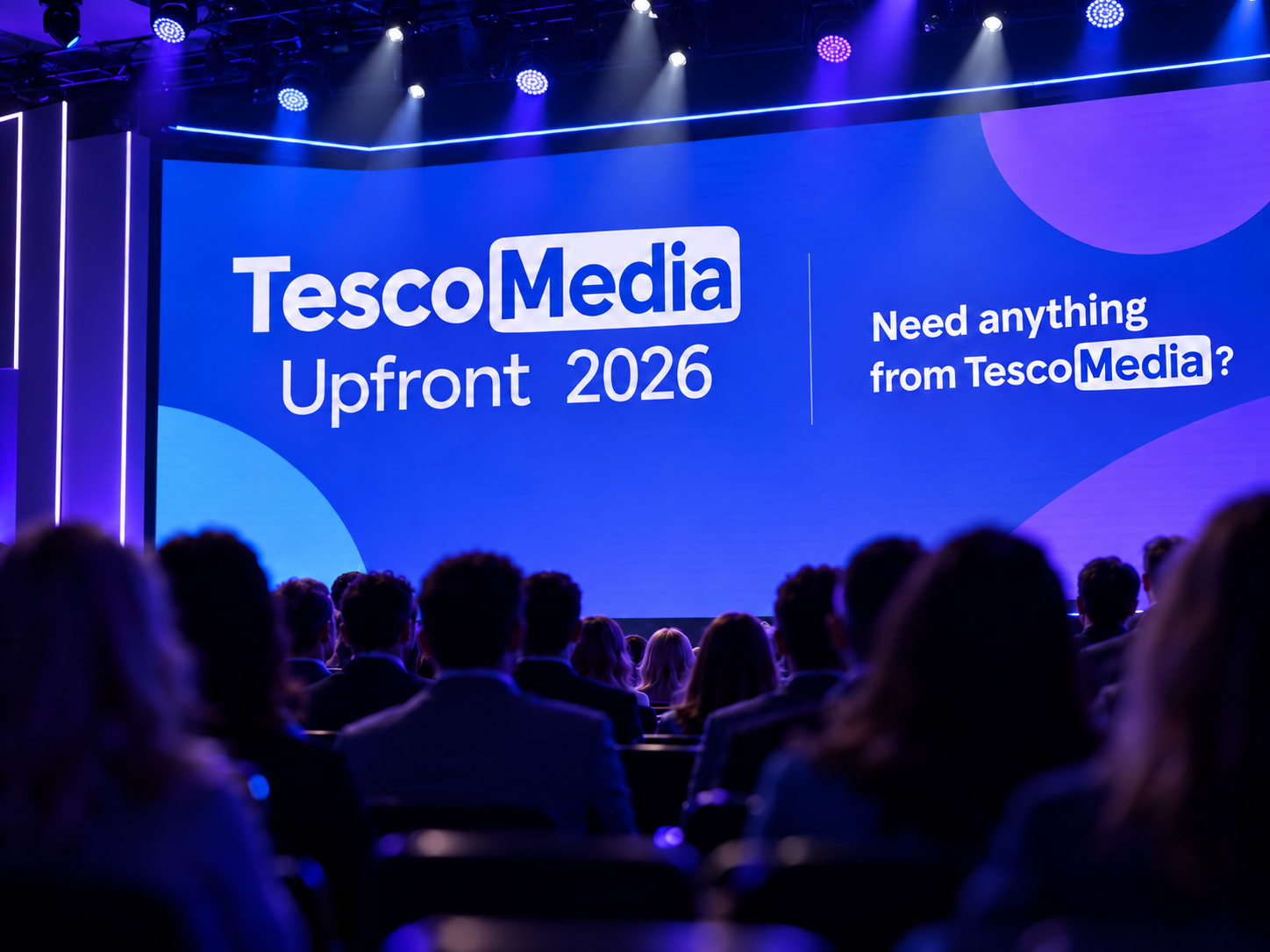
At its Upfront event on 8 October, Tesco Media set out the next stage of advertising on Tesco.com and the Tesco app. The direction is clear: make on-site retail media easier to buy, closer to the basket, and easier to prove.
The biggest operational shift is Ad Manager, a new self-serve platform where brands can plan, book, measure and optimise campaigns themselves. It launches with Sponsored Products, with Display and Video following shortly, and runs on Kevel’s ad technology.
Tesco is also testing shoppable formats that let customers add products directly from the ad. That includes video in search results and display ads in Favourites, with creator-led formats planned for Special Offers and Favourites. Approved influencer content will also appear across Tesco.com, the app and in-store screens.
Why it matters: the UK’s biggest grocer is setting a clearer benchmark for on-site media. Self-serve buying gives brands more speed and control; shoppable formats move media closer to the basket; and incrementality measurement gives retailers a stronger answer when brands ask what the spend actually delivered.
The measurement piece is doing a lot of work. Over the next six months, Tesco says incrementality measurement will extend to Display, Video, Sponsored Products, Scan as you Shop and Meta, covering 93% of its media spend. Multichannel geo-lift testing is being added alongside.
The format risk is shopper experience. Search and Favourites are functional spaces: people use them to build their baskets quickly. Every video, display or creator placement needs to earn its place there, or the media opportunity starts to get in the way of the shop.
Tesco’s direction is a useful read on where on-site media is heading. The next phase is about easier access, ads that can be bought from directly, and measurement that gives brands a clearer reason to move budget. For other UK networks, the order of priorities is fairly plain: make buying easier, prove the result, then add the cleverer formats.
Find out more here.
Amazon changes who describes the product
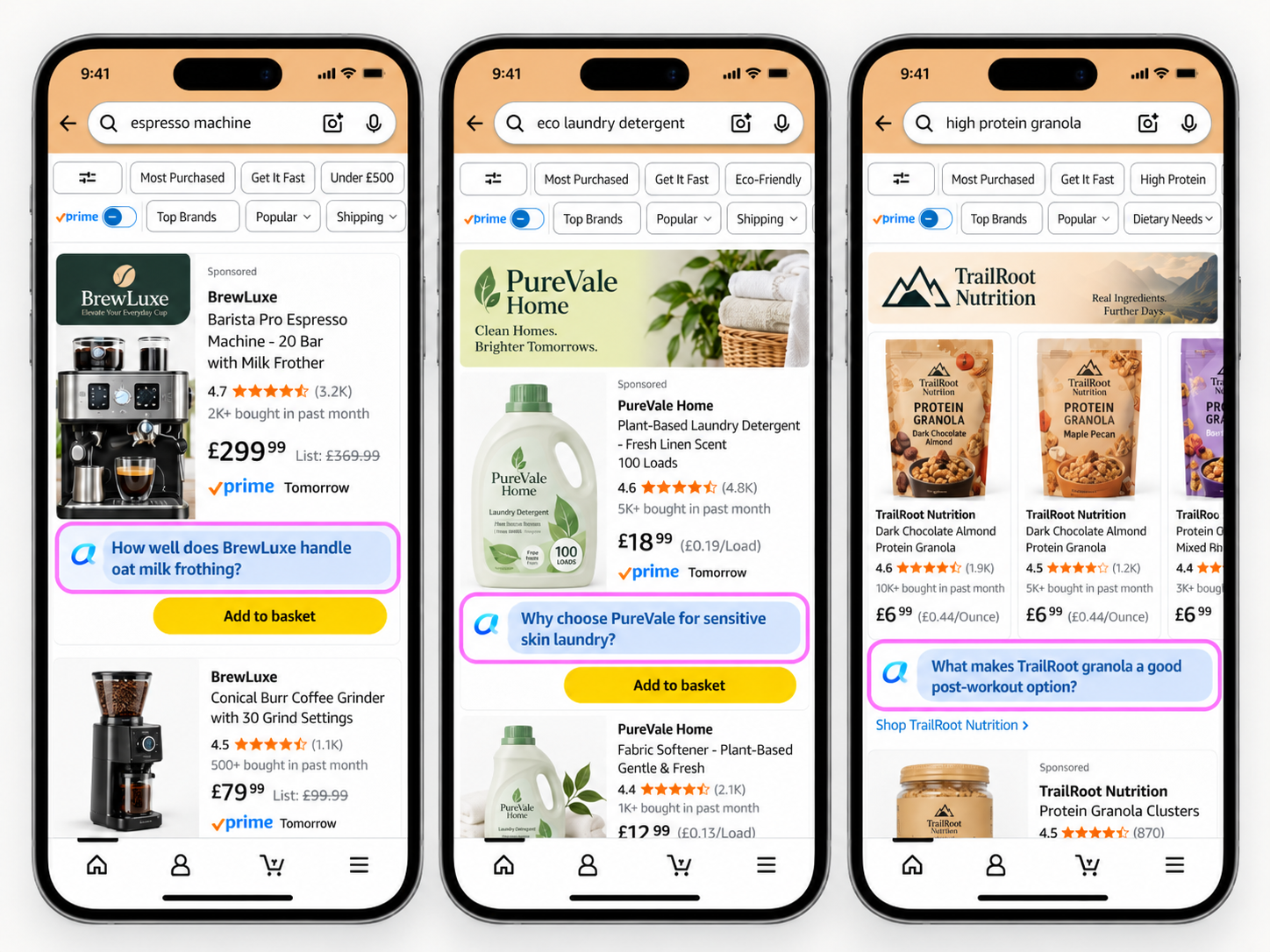
At its unBoxed event on 29 September, Amazon announced new ad formats for the conversations shoppers have with Alexa for Shopping (previously Rufus) on its own site and app. Sponsored Prompts are suggested questions that appear in search results and on product pages after a search or a recent purchase. Amazon writes the wording, even though the prompt is labelled as sponsored. Clicking one opens a Branded Conversation: a multi-step chat styled in the brand's colours, fonts and imagery. Brands don't write the answers. They submit a "conversational brief" covering how they differ from competitors, which customer needs their products meet and what is often bought together, and Amazon's AI combines it with product page and storefront data.
Why it matters: product pages have always sat on the retailer's template, but brands still had real control over the copy. These formats shift more of that description layer into Amazon's hands, at the point where the shopper is making a decision.
Amazon has given brands a reason to pay. On its Q2 earnings call, Andy Jassy said shoppers who click a sponsored prompt convert 48% more often and spend 21% more on average than those who don't. These are Amazon's own figures and haven't been independently checked.
Trust is the open question. An April Ipsos survey found more than half of US adults would trust AI recommendations less if they knew advertisers had shaped them, and just 14% would trust them more. Amazon labels the conversations as sponsored and discloses that brand-provided information shaped the answer.
Amazon also launched ads that ask recent buyers to leave a review, for products with fewer than 1,000 reviews, priced on cost per click. Brands can't choose which reviews the AI shows, and they pay for the click whether or not a good review follows.
Branded Conversations launches in the US in January 2027, with no UK date announced. Sponsored search let brands buy a position on a page they had written. These formats let them buy influence over a description the retailer writes. Brands should be thinking now about who owns their product content, how their brief is written, and what they can check when the retailer's AI does the talking. Every network building its own shopping assistant will be watching how Amazon prices this.
Retailers start using AI agents to shape on-site ad buying
The eMarketer research also shows where networks are looking for their next layer of growth. Among networks that don't yet have a retailer-native AI agent, 34% are building one with monetisation in mind, and 77% of all networks are pursuing new agentic advertising formats through testing, pilots or investment.
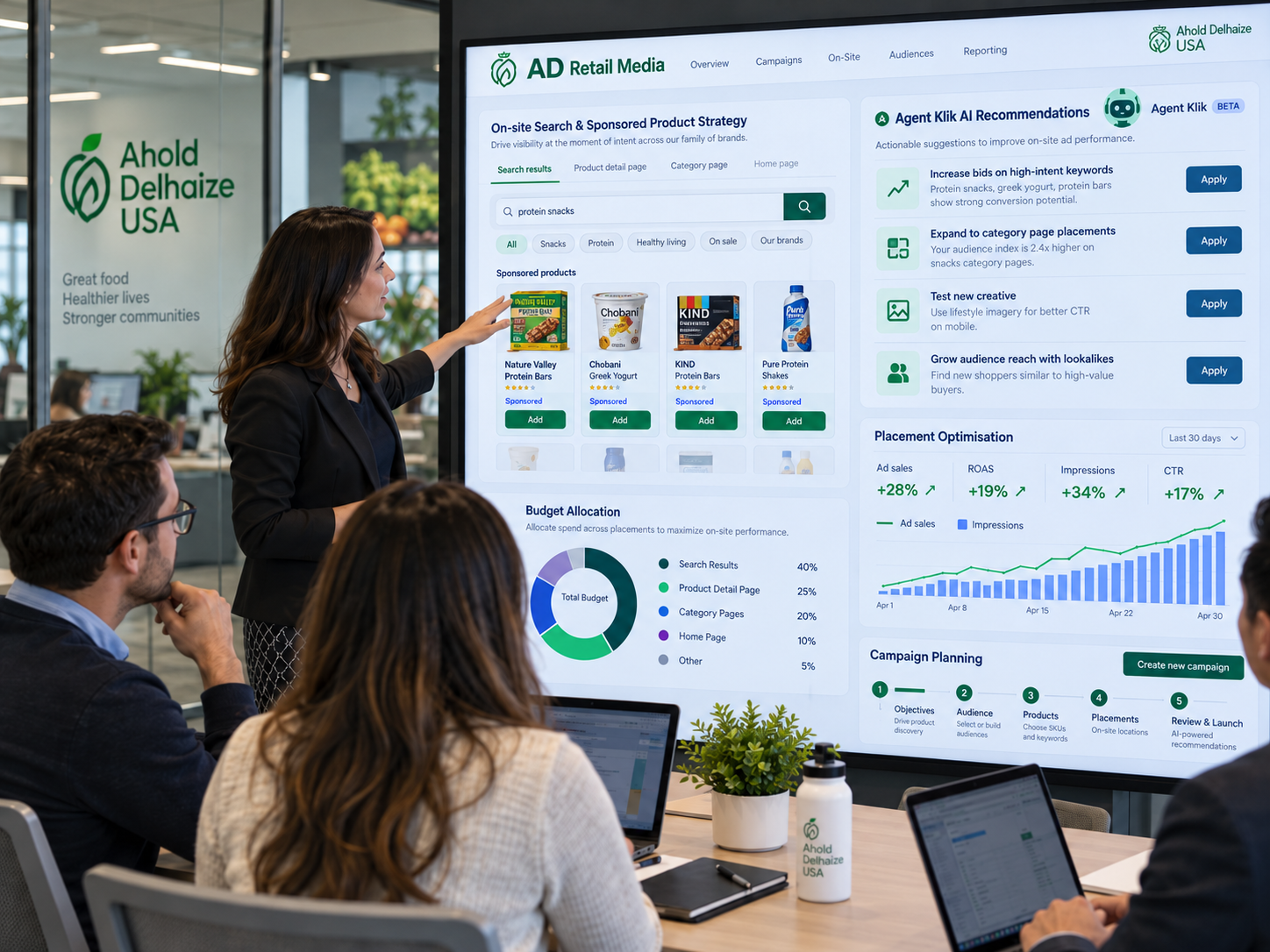
One early example is Ahold Delhaize USA. Bobby Watts, who leads its retail media arm, AD Retail Media, told Grocery Dive at Groceryshop that the team has deployed three internal AI agents this year to test small jobs. One, Agent Klik, looks at how consumers are searching for products and recommends trending keywords to the ad operations team. The retailer's Edge platform, launched on 5 January, is also being developed with agentic features for media planning and for coordinating campaigns across channels.
Why it matters: the first uses of AI agents in retail media are inside the ad operation, suggesting keywords and planning campaigns before they appear as new ad formats in front of the shopper. That is quicker to deploy and lower risk, and it changes how campaigns are built on the buying side too.
Watts sees upside in producing many personalised versions of an ad, but warned that fully automating creative is “probably not going to work out too well”, because creative is a key part of each brand. The retailer works with five local brands who are closely involved in their own ads.
If retailers' agents plan and place campaigns, brands will want to know how the agent makes its choices and whose results it is optimising for. That question has not been answered yet in any of the coverage we have seen.
Agentic advertising is still at test-and-pilot stage for most networks, so it is too early to treat it as a budget line. It is not too early for brands to ask their retail partners what their agent roadmap looks like, and how it will be measured.
Find out more here.
Also on the radar
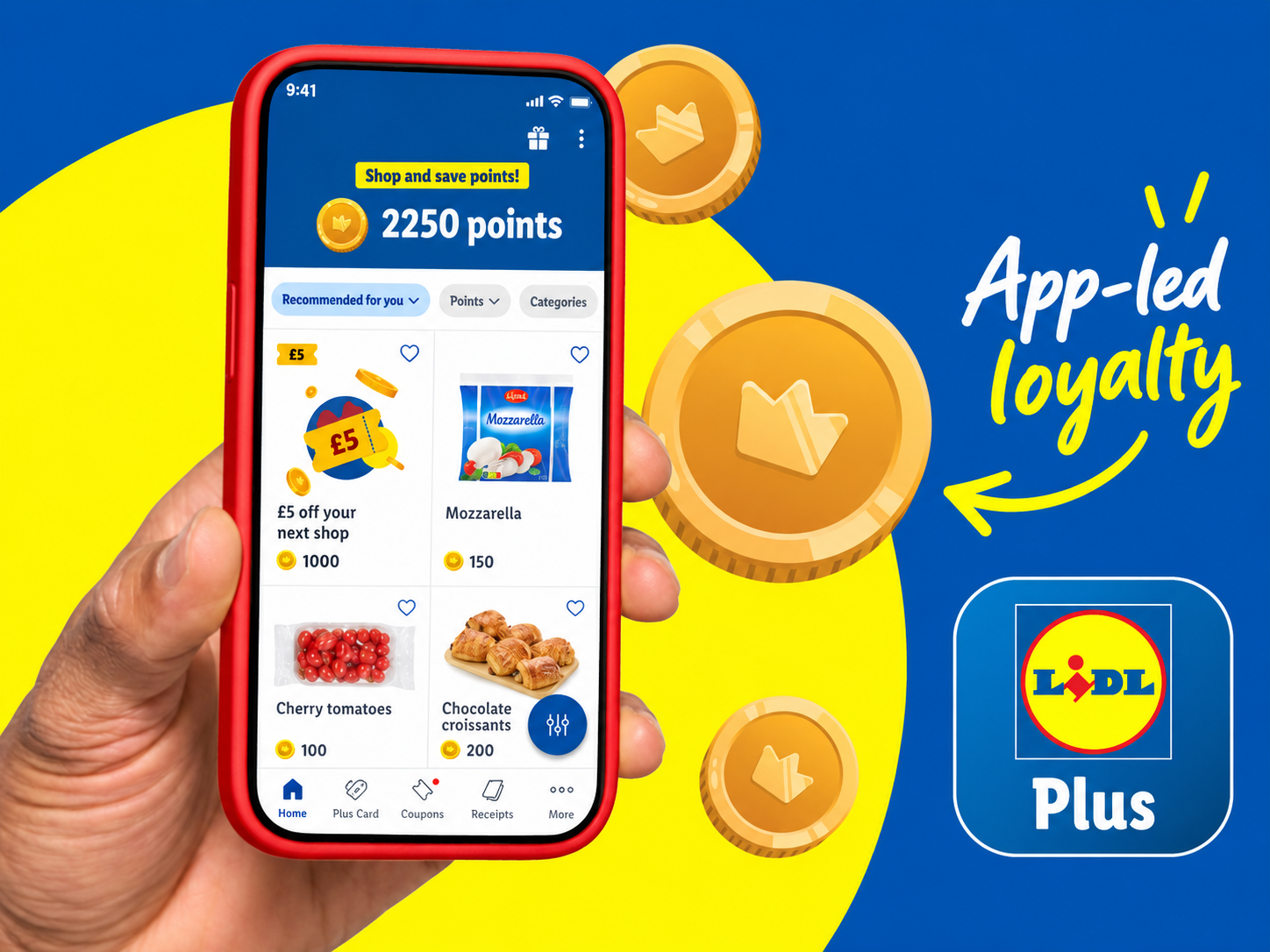
Lidl is building the audience layer Aldi does not have. Worldpanel figures show Lidl gaining share as rival Aldi stalls, with loyalty pricing cited as one of the drivers. Lidl says users of its Lidl Plus app rose 23% year on year, while Aldi remains the only major UK supermarket without loyalty pricing. For retail media, that matters because logged-in shoppers are the raw material for on-site ads, audience targeting and measurable supplier campaigns. Lidl may still look like a store-led discounter, but its app base is becoming a more interesting media asset.
Find out more here.
This month’s stories all point the same way: on-site media is still the backbone of retail media, but the easy growth story is wearing thin. Networks want to scale, brands want measurement they can trust, and the retailer’s own site is becoming a more contested space.
The old on-site model was relatively simple: buy the keyword, win the slot, measure the sale.
That model is starting to look dated. Tesco is making the buying layer easier and more accountable. Amazon is moving paid media into the language shoppers read at the point of decision. Ahold Delhaize is testing agents that can shape the campaign before it reaches the shopper at all.
Where a brand appears still matters, but control over the buying system, the product story and the evidence of what worked is becoming just as important.