
Retail Media Radar - September 2026: The store becomes the screen
Retail media's next big growth area might be the place it all started: the shop itself. For years the store has been treated as the thing retail media is trying to influence and measure, rather than a channel of its own. That's starting to change. Shopping centres, smart trolleys, screens in the aisle, connected tills and in-store audio are turning physical spaces into media in their own right.
This month’s stories show that shift picking up speed. Simon Property Group has launched a media network across more than 200 shopping destinations. Instacart’s Caper Carts have turned up in a Morrisons in Lancashire. Perion’s purchase of PRN suggests the in-store media business is starting to consolidate. And Spar’s first retail media network shows the same logic moving into convenience, with hundreds of in-store screens being rolled out across its Central European estate.
For brands, the awkward questions are which in-store moments are actually worth paying for, how you'd measure them, and where they fit alongside everything else in the retail media plan.
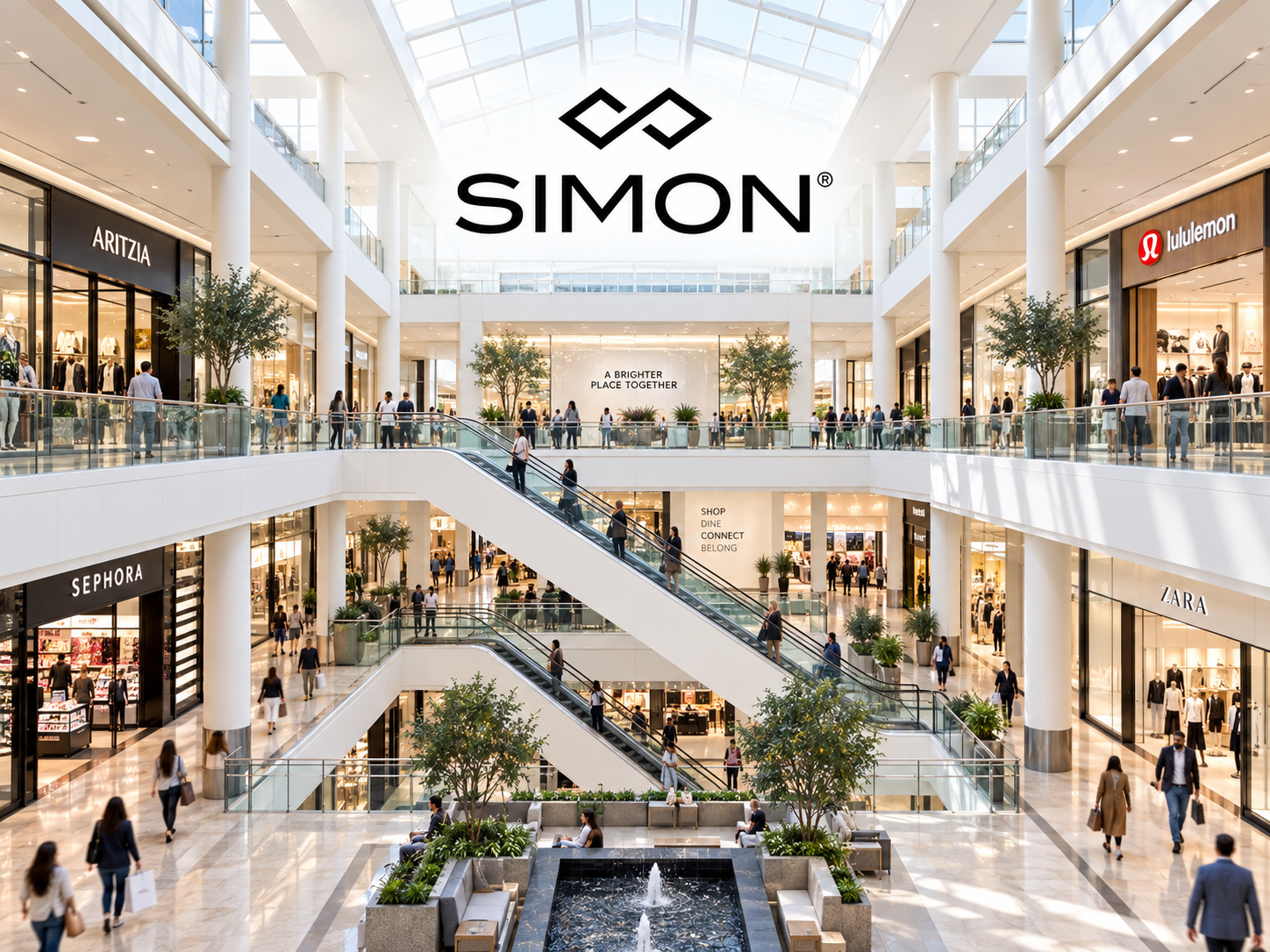
Simon Property Group turns its shopping centres into a media network
Simon Property Group is a US real estate investment trust that owns more than 200 shopping, dining and entertainment destinations. In late August it launched Simon Media Network. The platform pulls together first-party shopper data, large digital screens across its properties, experiential activations, the ShopSimon.com marketplace, the Simon+ loyalty programme and Simon's own social and digital channels, with off-platform media to follow. Campaigns can run nationally, regionally or at a single property. Simon says its estate sees billions of visits a year and generates more than $100 billion in commerce.
Why it matters: this is retail media logic applied to a whole day out (shopping, eating, entertainment) rather than a single retailer or category.
The closed-loop measurement claim, meaning verified visits, transactions and engagement tied back to campaign exposure, is what non-endemic brands have been waiting for from physical spaces. Simon's CRO talked about reaching consumers “where they already gather, discover, and spend time.” Whether that attribution stands up campaign by campaign will decide whether the network wins proper media budget or stays filed under experiential.
The bigger point: any landlord with meaningful, loyalty-linked footfall can now look at its estate as a media asset. Simon is taking the retail media network playbook (first-party data, owned destinations, paid placement, closed-loop attribution) and applying it to property rather than a product category. That logic clearly isn’t limited to American malls.
Simon Media Network is the clearest sign yet that retail media is becoming a property story as much as a retail one. The underlying asset, high-intent footfall with loyalty data attached, isn't something only supermarkets have. The question for the UK is whether anyone with a comparable footprint is moving at the same pace, or whether US platforms end up reaching UK shoppers first through off-platform extension.
Find out more here.
AI shopping trolleys go on trial in a UK supermarket
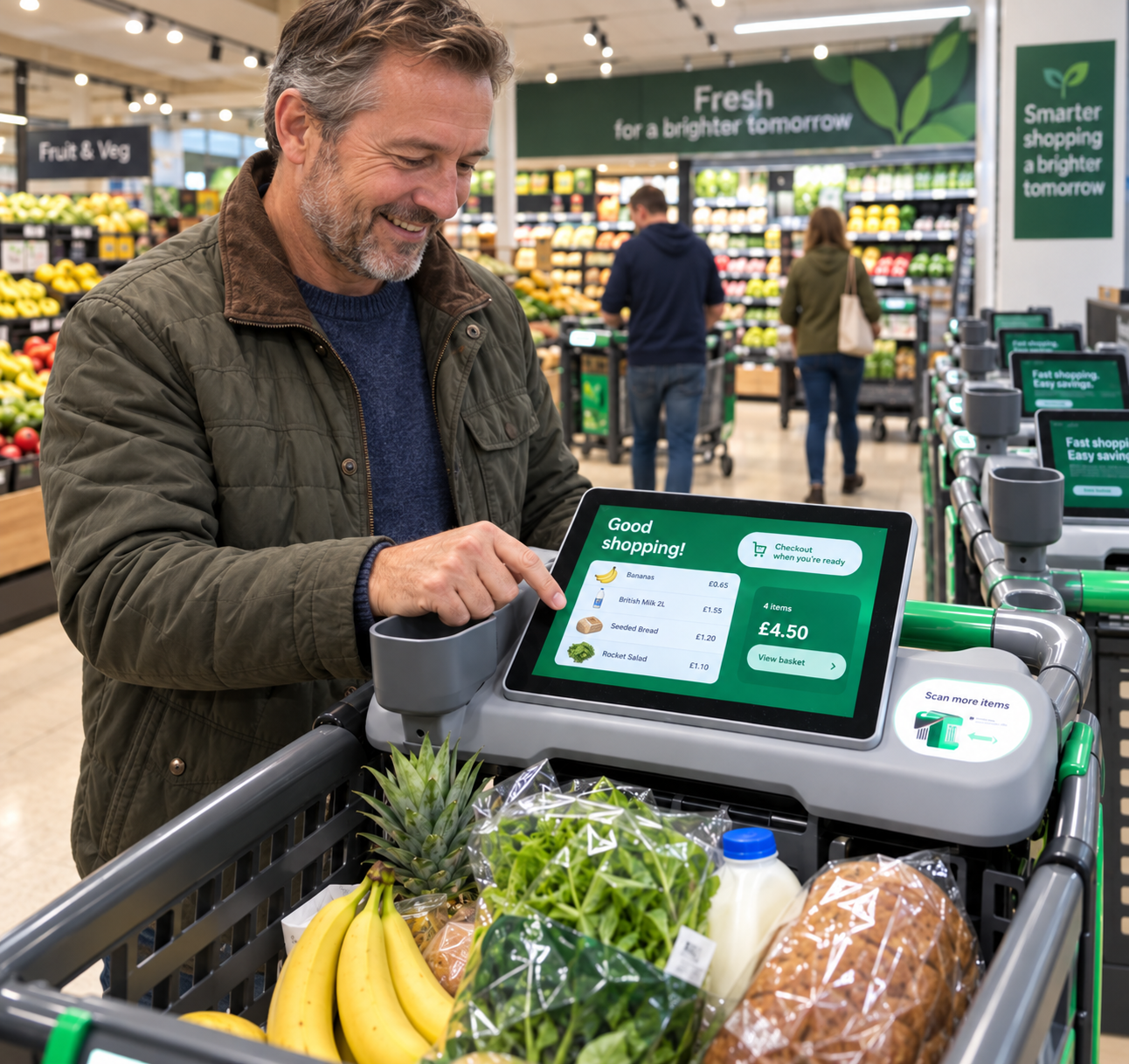
Instacart's Caper Carts are being trialled at a Morrisons in Ashton-on-Ribble, Preston, which makes Morrisons the first UK supermarket to test them.
The Guardian's coverage is mostly about the shopper experience: trolleys that recognise products as you drop them in, keep a running total, suggest related items and let you check out from the trolley's screen rather than queue at the till.
For shoppers, the pitch is convenience and keeping an eye on the budget. For brands, the more interesting bit is what the trolley could become: an ad screen in the shopper's hands, fed by a live view of what's already in the basket.
Caper Carts are about as close to the point of purchase as media gets. The shopper is building the basket right there, and the screen can react to it in real time.
The UK trial matters because it takes smart-cart technology out of US grocery and puts it in a British supermarket, so retailers and CPG brands get an early read on how shoppers here take to it.
The advertising question is still open. The Guardian confirms the trolleys make recommendations, but it doesn't say whether paid ads are running in the Morrisons trial. That distinction matters. A checkout technology trial is a very different commercial thing from a live media product.
Smart trolleys are arriving alongside a whole cluster of other in-store formats: programmatic DOOH, interactive screens at the till, receipt media, in-store audio and AI that detects who's standing in the aisle. The store is getting more measurable, but a new screen isn't automatically a mature ad channel.
The Guardian reported that some Lancashire shoppers found the trolleys made life “much easier.” That's the test that has to be passed first. A format that gets in the way of the weekly shop won't last long enough to become a serious ad surface. If Morrisons takes the trial beyond Lancashire, the thing to watch is whether ad inventory gets switched on, how it's priced, and whether brands can see what it does to the basket.
Find out more here.
Perion buys its way into in-store media
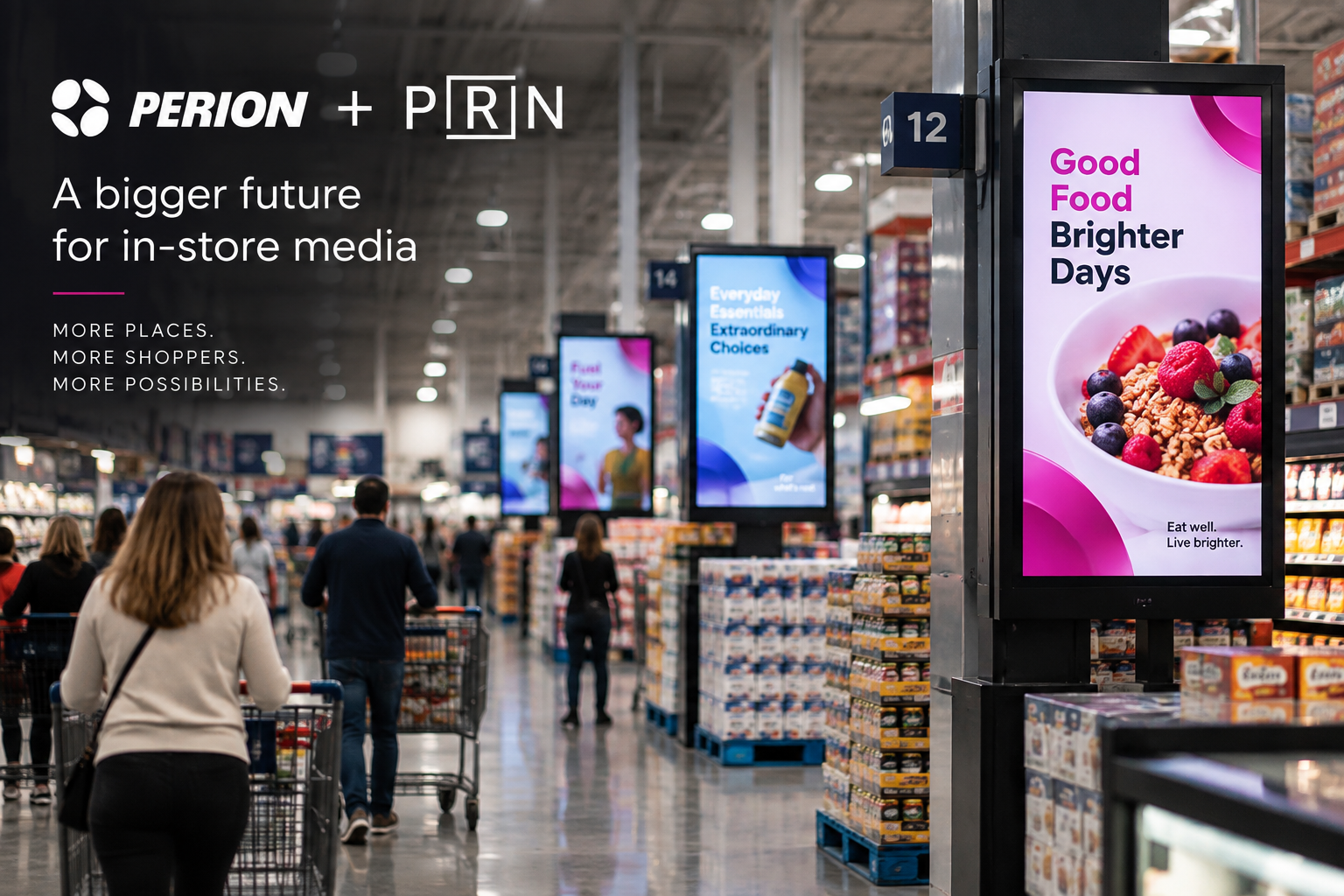
Perion has bought PRN, a long-established in-store retail media business with exclusive multi-year deals at some of North America's biggest retailers. The acquisition gives Perion point-of-purchase media across warehouse clubs, big-box stores, healthcare retail and grocery, including a 4K TV network in more than 750 warehouse club locations, a big-box network across more than 4,500 stores and a healthcare retail footprint of more than 2,200 sites.
In short, Perion now has real scale in the part of retail media brands are finding hardest to ignore: the physical store.
PRN brings established in-store inventory at national scale, rather than a test-and-learn screen network assembled one retailer at a time.
Perion's wider platform covers DOOH, commerce, social, CTV and direct demand relationships, so it has a way to connect in-store media to the channels brands already buy.
The prize is the last layer before someone buys. Perion's CEO called PRN “the ultimate channel before any decision to purchase,” which is a neat summary of why in-store media is attracting serious money.
The wider context matters here. In-store retail media is developing on several fronts at once: programmatic screen networks, smart trolleys, shelf-level audience detection, checkout activations, digital receipts and in-store audio. All of them are trying to crack the same problem: how do you turn shopper attention in a physical space into media you can measure and sell?
Perion's move suggests the buying side is starting to catch up with the inventory. Screens in shops are nothing new. What changes the market is being able to package, sell and measure them in a way that fits how brands actually plan their media spend.
For UK retailers and brand teams, the message is fairly plain. In-store media won't stay a collection of unconnected pilots for much longer. Whoever can put reach, programmatic access and credible measurement together will set the terms for how the category gets bought.
Find out more here.
Spar turns convenience stores into screen media
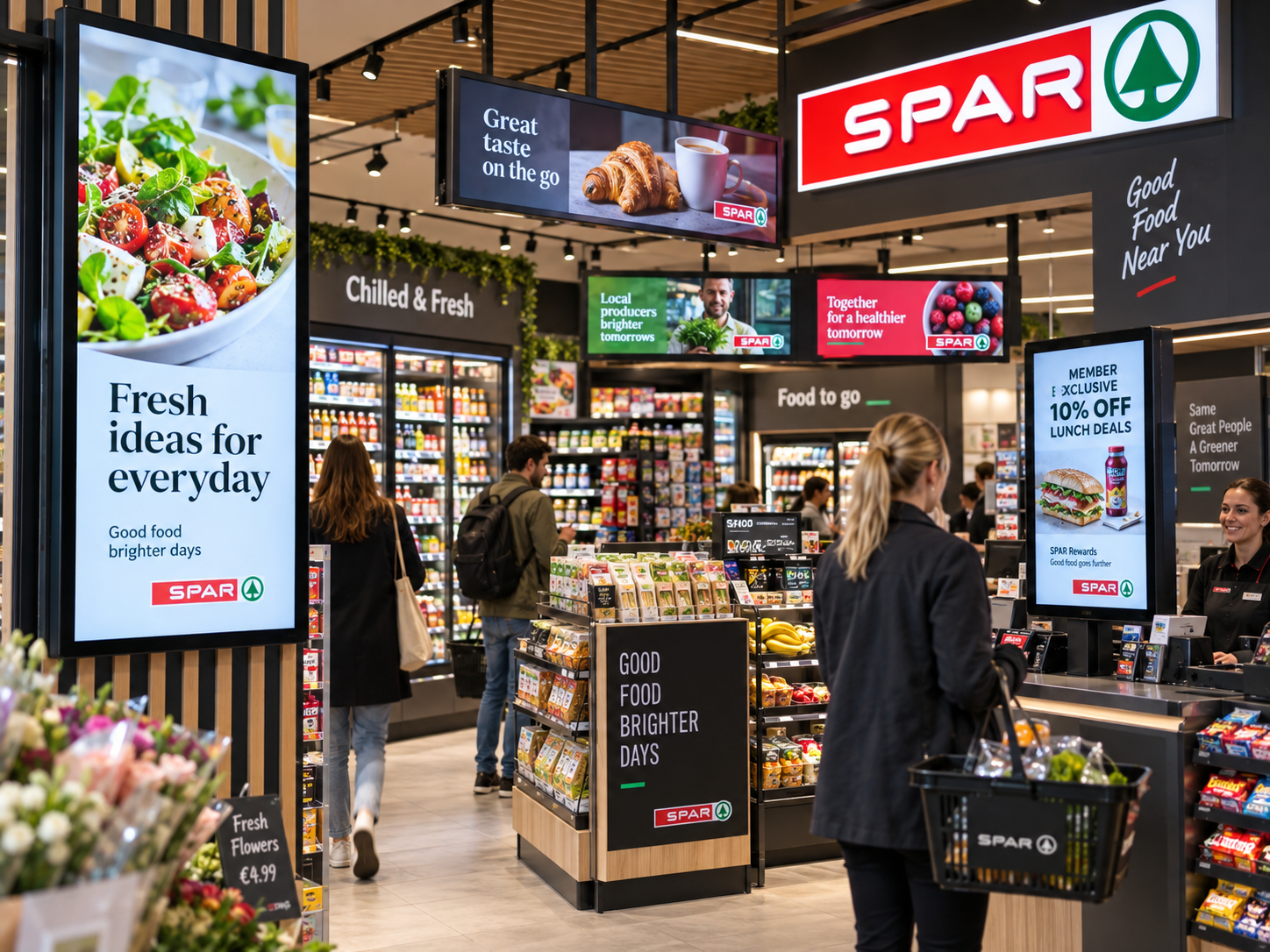
Spar is launching its first retail media network across its Central European business, starting with Hungary and Slovenia. The retailer has extended its partnership with digital signage specialist ZetaDisplay, with hundreds of new digital displays being installed across stores and existing screens repositioned around shopper journeys.
The screens will be used for Spar’s own marketing and sold as advertising inventory for supplier and brand partners. Campaigns will be able to target shoppers by location and time of day, while Spar keeps control over which brands are allowed to advertise across the network.
The convenience angle is the interesting bit. Smaller-format stores have frequent visits, habitual missions and high proximity to purchase, which makes them useful media environments if the screen network is planned properly.
ZetaDisplay’s Engage Suite gives Spar the operating layer behind the screens: content scheduling, campaign management, analytics and measurement. That matters because in-store media only becomes a serious revenue stream when retailers can manage it like media, rather than signage.
The EG relevance is hard to miss. Forecourts and convenience estates have the same underlying assets: repeat visits, high-intent missions, digital touchpoints and supplier-funded categories. Spar’s move is another signal that convenience operators do not need to wait for grocery retailers to define the market.
Why it matters: in-store retail media is moving into smaller, more frequent physical environments. The prize is not just footfall; it is the ability to connect location, mission and timing to a measurable media proposition. For convenience and forecourt operators, that should feel uncomfortably close to home.
Find out more here.
This month's stories all point the same way: in-store media is moving from a scatter of individual formats to something more like a proper commercial layer. Simon, Morrisons, Perion and Spar are coming at the same opportunity from different angles: property, trolley technology, scaled in-store infrastructure and convenience retail. The goal is the same in each case: turn what shoppers do in the real world into media you can target and measure.
The AI assistant story runs alongside this. Walmart says Sparky users spend 40% more per order than shoppers who don't use it; Albertsons reports a 26% lift in average order value for assistant users, against 10% for standard conversational search. Neither retailer has said what its assistant makes in ad revenue, but those basket numbers show assistants are close enough to the buying decision to count.
So the physical store and the digital assistant are now competing for the same moment: the point where a shopper makes up their mind. How media budgets get split between the two is the allocation question nobody in the sector has answered properly yet.
Next month we'll look at on-site retail media, and what's changing on the retailer websites and apps where most of the money still goes.