
Retail Media Radar – June 2026: The Pre-Basket economy
Retail media is moving beyond the environments it has traditionally controlled. This month’s signals all point in the same direction: influence is extending upstream and off-site, and the advantage is shifting to those who can connect that influence back to measurable outcomes.
Off-site activation is becoming a growth engine, connected television is edging closer to performance media, recipe-led commerce is shaping decisions before shoppers ever enter a store, and AI advertising has arrived in the UK, raising new questions around intent, consent and trust.
The common thread is data portability - where retail data can be activated, how consistently it can be measured, and whether those earlier moments of influence can ultimately be linked to commercial results. Several developments this month bring that shift into sharper focus.
Off-site retail media: Your data is worth more off your own site
The Trade Desk’s new guide to off-site retail media growth frames one of the clearest structural shifts in the market: growth now depends on where retailer data can travel beyond owned environments.
On-site inventory is finite, increasingly crowded and often concentrated around lower-funnel moments. Brands want to reach shoppers earlier in the journey, and retailers have the data to support that. The opportunity now sits in extending retailer data into programmatic display, connected television, paid social, audio and the open internet.
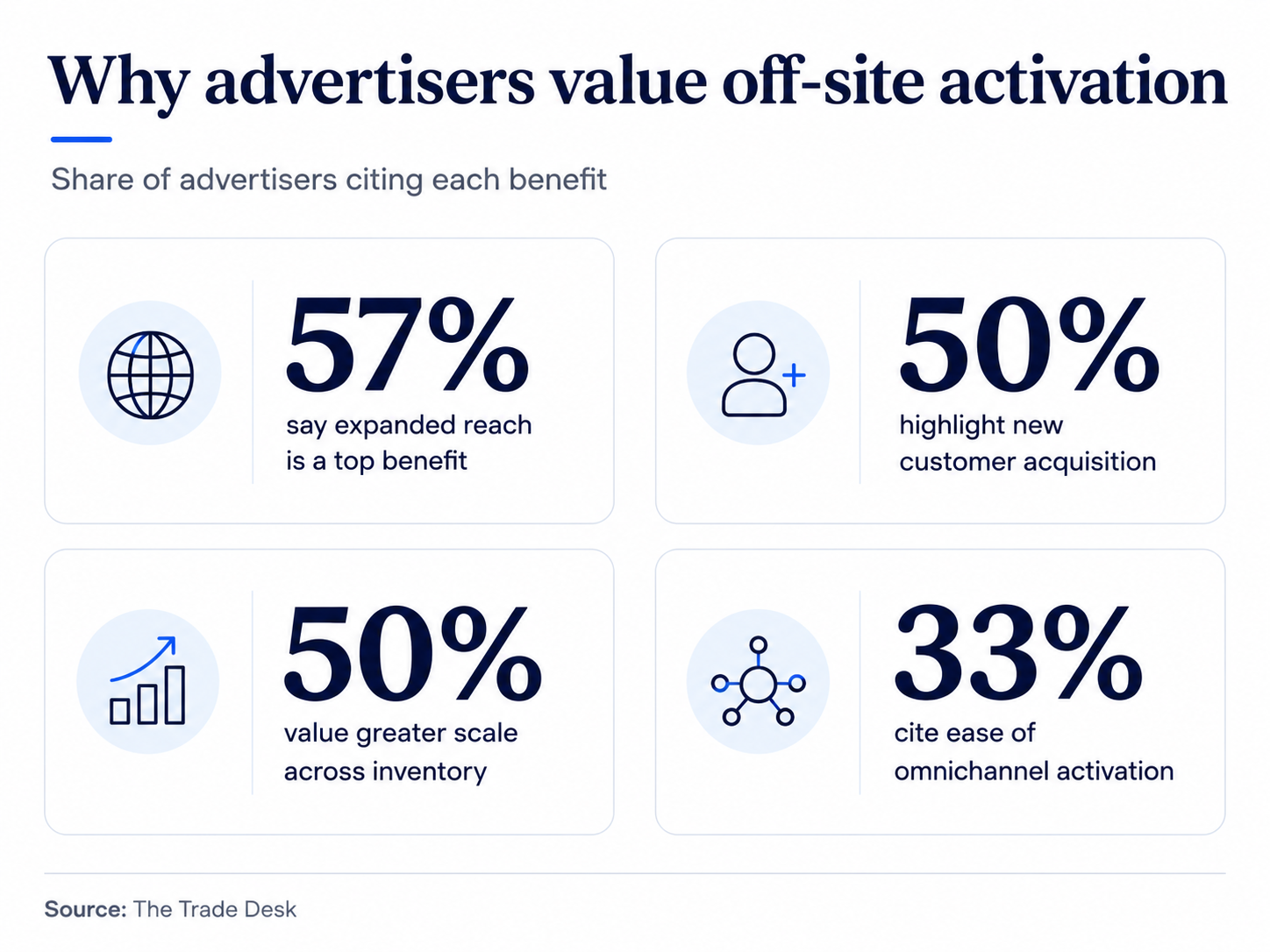
Off-site activation lets retailers meet national and brand budgets where they already live, rather than asking those budgets to migrate into proprietary retail platforms.
Audience design becomes central: the strongest propositions are built on category affinity, purchase frequency and loyalty behaviour, not broad demographics.
Flexible buying models matter as much as data quality. Advertisers working across multiple networks need consistent measurement, not another separate workflow.
The Dollar General, Trade Desk and Kevel collaboration announced in May is a concrete example, bringing onsite and offsite inventory into a single buying and measurement environment.
This builds on the Kroger and YouTube story from May’s Radar: the strongest opportunities combine retailer data with media environments brand teams already understand. The trade-off is control. As retailers extend data through DSPs and platform partners, they gain scale but take on new dependencies around activation, measurement and governance.
The TV ad that knows what you bought
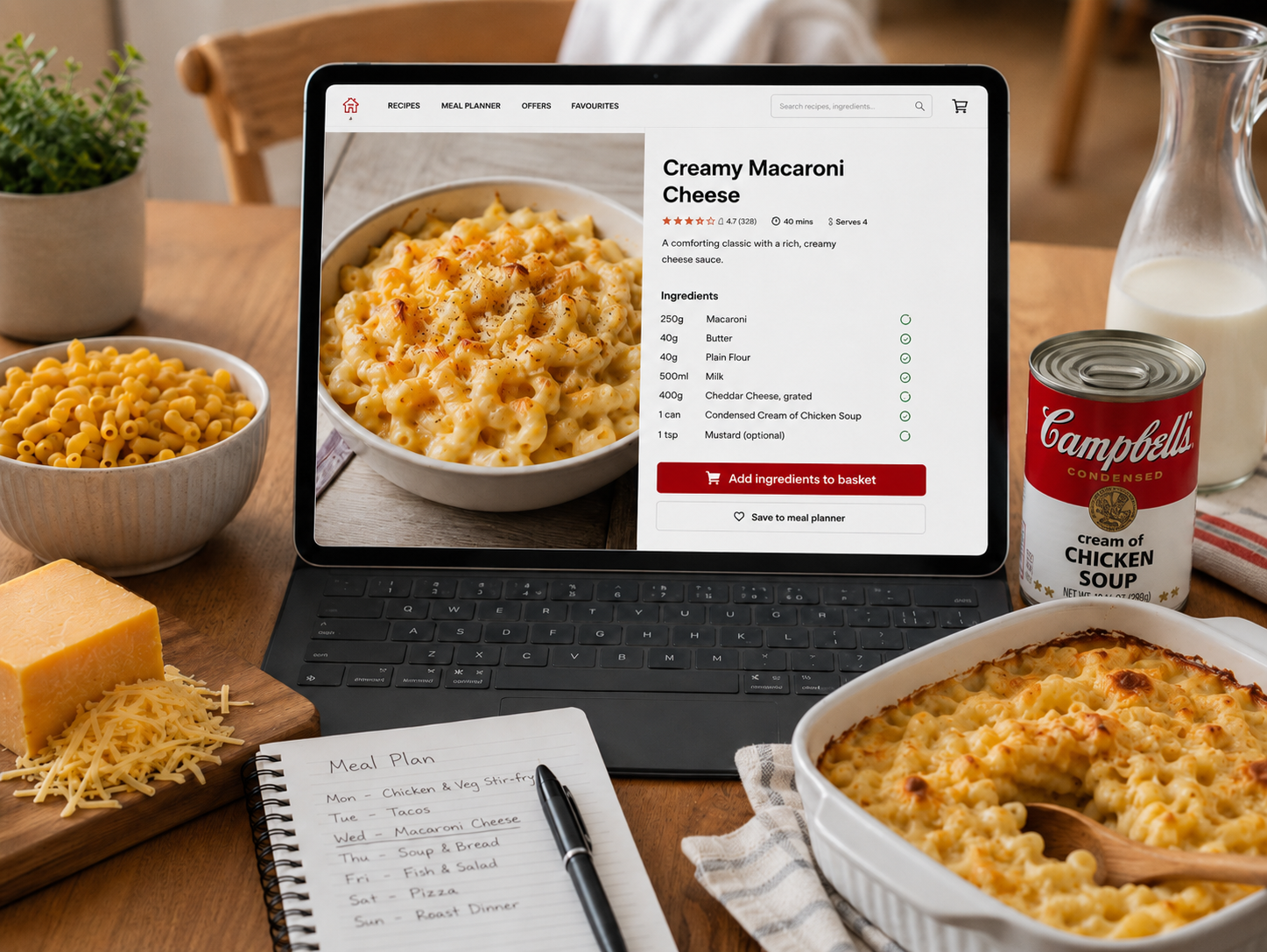
New research from Rakuten TV, published this month, shows how quickly connected television is becoming a retail media planning staple. Every marketer surveyed either uses CTV or plans to add it, and 70% of European marketers plan to increase investment over the next 12 months.
The important development is the shift in how CTV is being used. Homescreen, pause and display formats are creating more measurable moments within the viewing experience, giving brands new ways to connect exposure to response.
Homescreen and pause formats place brand messages in moments of active engagement, when a viewer is navigating or deliberately pausing.
QR codes, direct response mechanics and retail attribution are making CTV more measurable than traditional awareness-led television.
Combining retailer data with CTV inventory connects high-attention environments with stronger audience signals.
This matters because CTV is becoming a credible off-site retail media environment. It gives retailers a route into brand-building formats while retaining a link back to audience, purchase and loyalty signals.
The connection to May’s Kroger and YouTube story is clear. Retail media is moving closer to the places where brand budgets are already spent, while using retailer data to add accountability those channels have historically struggled to provide.
For retailers, the opportunity depends on the quality of the underlying data. CTV reach alone is not enough. The advantage comes from being able to define valuable audiences, activate them cleanly and measure what exposure contributed commercially.
Winning the basket before it exists
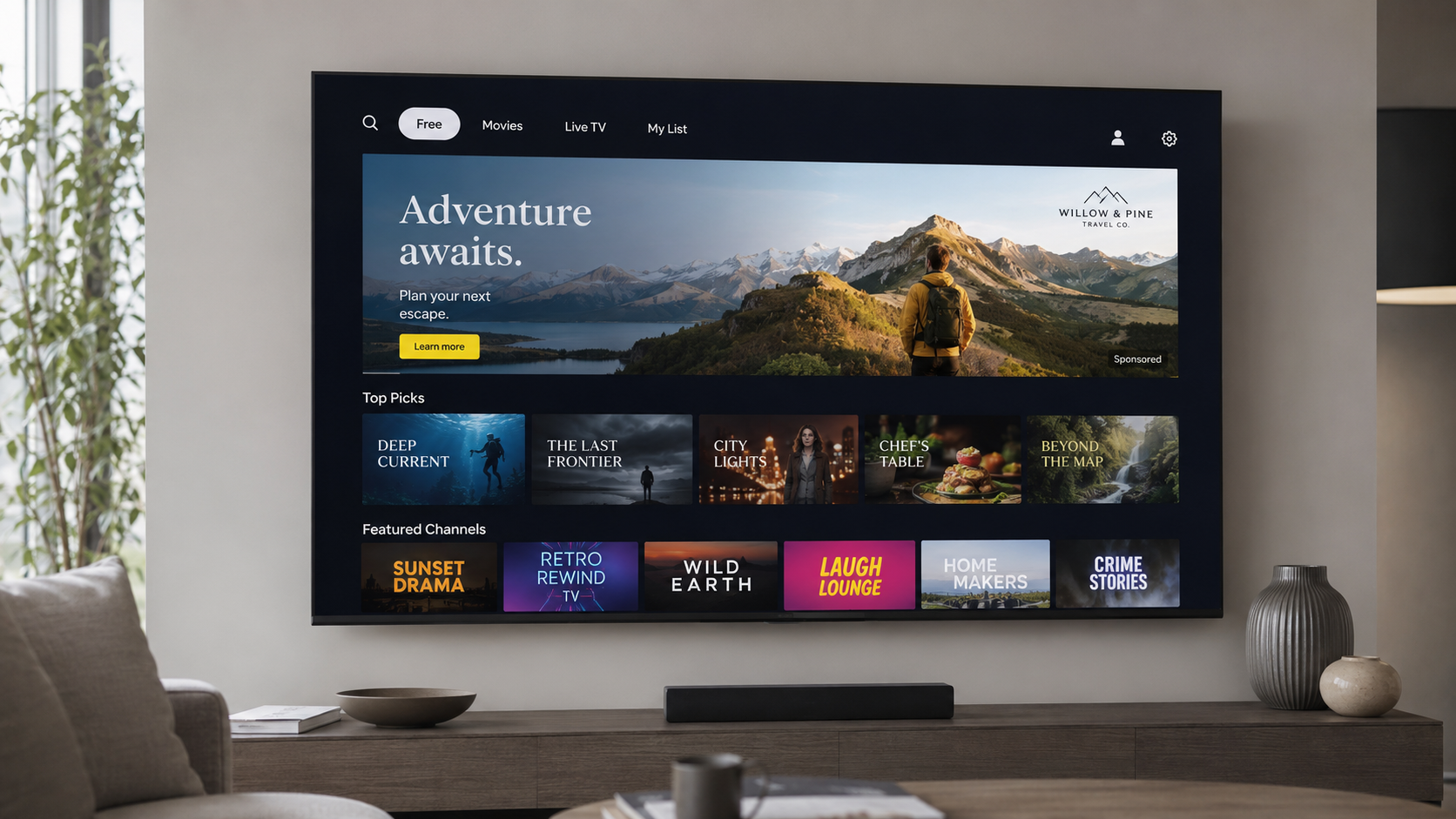
A Drum Awards case study published this month, details how Campbell’s used recipe-led retail media to reach shoppers before the shopping decision was made.
The campaign positioned Campbell’s Condensed Mac & Cheese as the key ingredient in a creamier mac and cheese recipe, using contextual commerce media powered by Chicory to surface the product across recipe and meal-planning environments. Chicory is an advertising platform that takes recipe content and turns it into shoppable media.
The objective: influence consideration and basket building upstream, before shoppers entered a retail environment at all.
The campaign reached shoppers during meal planning and recipe discovery, while decisions around meals, ingredients and brands were still forming.
Behaviour-led segmentation distinguished loyal customers from new-to-brand shoppers, and inspiration-seekers from those closer to a decision
Measurement tracked the full path to purchase, from recipe engagement through to online and in-store conversion.
The insight is simple but commercially important. Retail media’s traditional strength is proximity to purchase. Campbell’s shows the value of arriving earlier, when the meal plan is being built and the shopping list is still open. Once the meal decision is made, the opportunity to shape brand choice has already narrowed.
This changes how we think about inventory. A recipe page, meal planner or shoppable content environment becomes a retail media surface the moment it connects inspiration to purchase and can prove the outcome. Without that connection, recipe-led activity is content marketing. With it, upstream influence becomes a measurable part of the retail media system.
ChatGPT ads arrive in the UK
On 6 June, OpenAI brought its ChatGPT advertising pilot to the UK, its fifth market and its first in Europe. The rollout began in the US in February, expanded to Canada, Australia and New Zealand in April, and a further wave covering Japan, South Korea, Brazil and Mexico is already in motion. Zalando and Dentsu are among the named UK launch partners; the self-serve ads manager remains US-only for now.
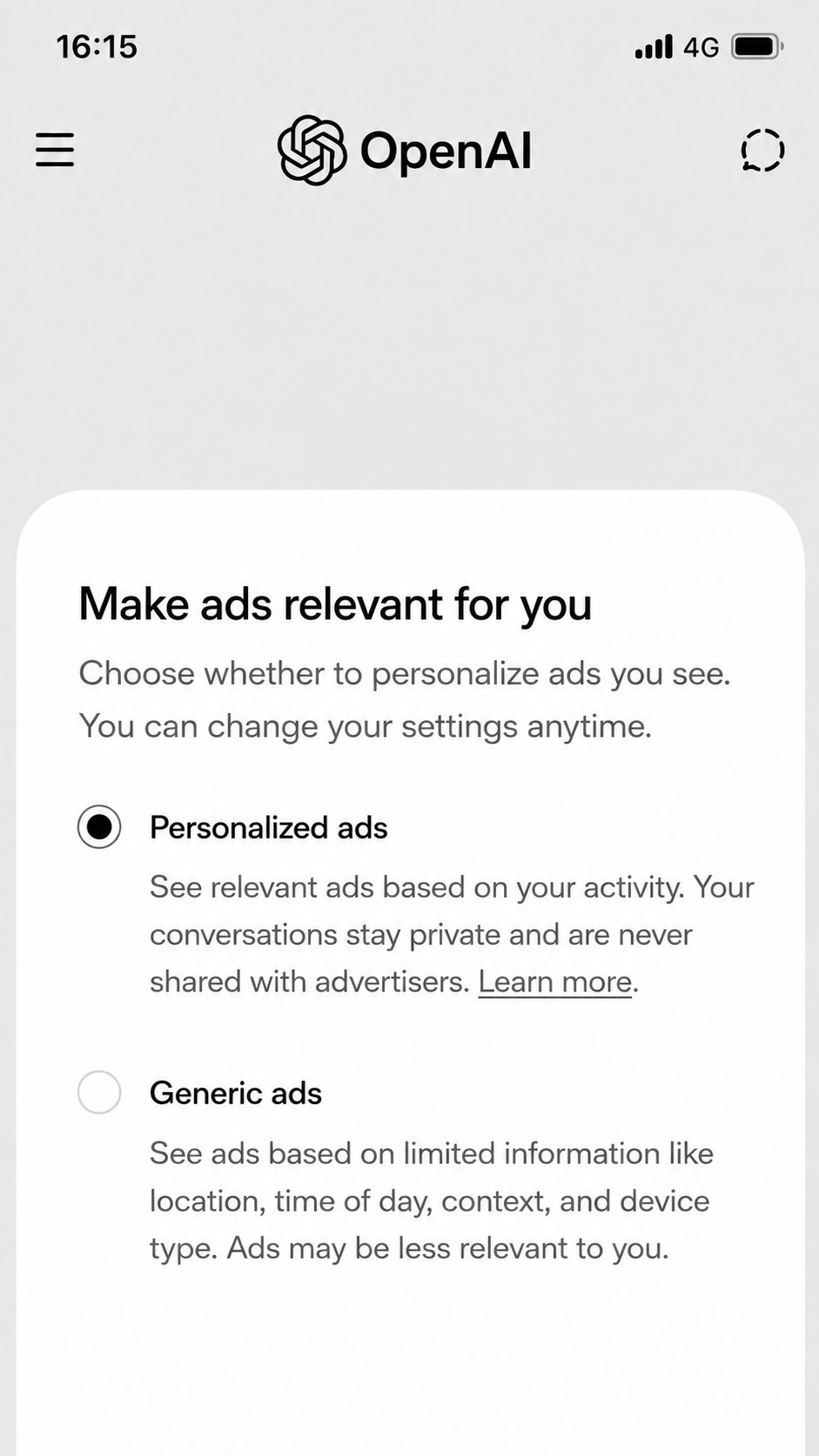
The most interesting detail is the opt-in consent screen, which gives users a choice between personalised and generic ads, alongside an explicit assurance that conversations remain private and are never shared with advertisers.
The UK launch activates OpenAI’s European advertising policy, requiring explicit consent before personalising ads.
Ads appear clearly labelled and visually separated from answers, with OpenAI maintaining that ad relevance does not influence response content.
Advertisers receive aggregated performance data, rather than the underlying conversation signals that generated it.
The UK pilot will test whether early US trust and engagement benchmarks hold in a more regulated environment.
In May’s Radar, we noted that the key question around ChatGPT advertising is whether conversational intent carries the same commercial value as retail intent. The UK launch sharpens that question.
Someone asking ChatGPT what to cook for dinner, what to buy for a holiday, or which trainers to choose is demonstrating interest at an earlier and more open stage than a shopper browsing sponsored results on a retailer site. That signal has value, particularly for discovery and consideration. The unresolved issue is how clearly it connects to actual purchase behaviour.
The consent architecture deserves attention. A user who actively chooses personalised ads creates a different type of signal from one who receives them by default. That could ultimately produce better data quality and stronger trust than broader ad ecosystems built around weaker consent.
For retail media, the practical question is how influence applied at the consideration stage connects downstream to purchase signals. ChatGPT advertising may become complementary to retail media, particularly where brands want to shape discovery before a shopper reaches a retailer environment. The interesting planning question is how those channels work in sequence.
June’s stories all expand the definition of where retail media operates: off-site, on the television, in the recipe, in the conversation. But upstream influence only creates commercial value when it can be traced downstream. Campbell’s investment in recipe-led discovery was justified because it connected inspiration to conversion. Without that link, it is brand activity with a retail media label.
If you are a retailer, the question this month raises is whether your data is portable enough to travel into CTV and off-site environments without losing measurability. If you are a brand, it is whether you know where your shoppers’ missions are actually formed, and whether you can be present when they are.
Connecting earlier moments of influence to basket-level outcomes is exactly the problem id8 retail was built around. If you are working through it, we would be glad to compare notes.